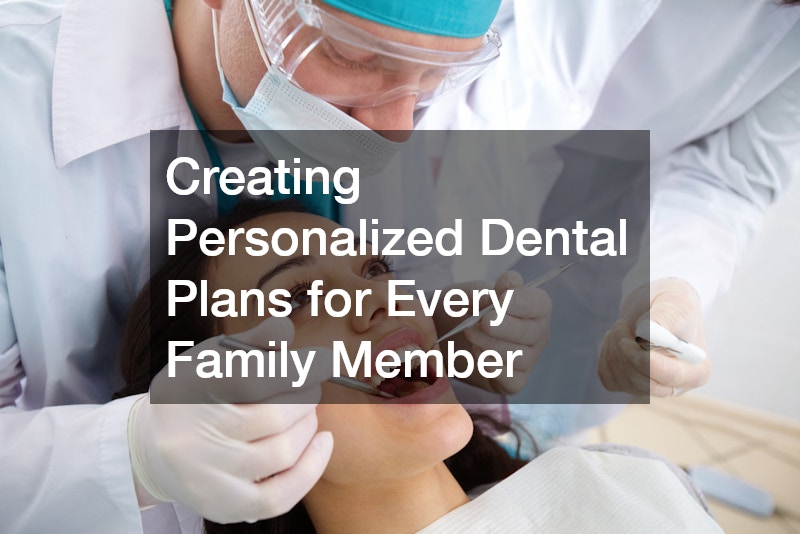
Creating dental plans that truly serve an entire household requires more than booking routine appointments or reacting to problems as they arise. Every family member brings a different set of needs shaped by age, health history, habits, and long-term goals. A personalized approach helps ensure that care is proactive rather than reactive, coordinated rather than fragmented, and aligned with both immediate priorities and future outcomes.
This article explores how families can build thoughtful, adaptable dental plans that evolve. By understanding how care strategies differ across life stages and how various specialties fit together, households can make informed decisions that support comfort, function, and confidence for years to come.
Assessing Oral Health Needs Across Different Life Stages
A strong dental plan starts with a comprehensive assessment that accounts for the unique needs of each individual. A qualified dentist typically evaluates far more than visible teeth, looking instead at patterns that may affect long-term outcomes. This broader view helps identify underlying risks before they develop into more complex or costly problems and ensures that recommendations are tailored rather than generic.
During an assessment, attention is given to how current conditions may evolve. For example, early signs of enamel wear, minor gum inflammation, or uneven bite pressure can signal future concerns if left unaddressed. Evaluating these details early allows care to be paced appropriately and aligned with long-term goals instead of reacting to emergencies.
Key factors considered during assessments include:
- Age-related risks, such as cavity susceptibility in children or gum concerns in adults: younger patients may be more prone to decay due to developing hygiene habits, while adults may face increased risk of gum recession or bone loss. Understanding these age-based tendencies helps prioritize preventive strategies and monitoring frequency.
- Medical conditions or medications that affect oral health: conditions such as diabetes, autoimmune disorders, or dry mouth caused by certain prescriptions can significantly influence oral health. Factoring these into care planning helps avoid complications and ensures that treatments are appropriate and safe.
- Lifestyle habits like diet, tobacco use, or nighttime grinding: high sugar intake, acidic beverages, smoking, or clenching can accelerate wear and damage. Identifying these habits allows for targeted guidance, protective measures, and realistic goal setting.
- Family history that may signal inherited risks: a history of gum disease, enamel defects, or alignment issues can indicate a higher likelihood of similar challenges. Recognizing these patterns supports earlier monitoring and intervention when needed.
Rather than treating each visit in isolation, families benefit from tracking changes over time. Maintaining updated records allows patterns to emerge, such as recurring problem areas, gradual wear, or slow progression of gum issues. When trends are visible, care decisions can be proactive instead of reactive, often reducing the need for more invasive treatment later.
This long-term perspective also supports better communication. When changes are documented clearly, discussions about next steps are more informed and collaborative, making it easier to adjust plans as circumstances change.
Practical steps for families include:
- Keeping a shared digital folder with treatment summaries and imaging reports: centralized records make it easier to reference past findings, compare changes, and share information when needed.
- Noting changes in sensitivity, discomfort, or appearance between visits: small observations, when tracked consistently, can provide valuable insight into developing issues.
- Reviewing long-term goals annually to adjust care priorities: as needs, schedules, and budgets evolve, revisiting goals helps keep dental planning aligned with the family’s current situation.
Building Preventive Routines That Scale for the Whole Household
Prevention is the foundation of any personalized dental plan, but effective routines are rarely one-size-fits-all. The frequency and focus of dental cleanings, for example, should reflect individual risk levels rather than a fixed schedule. Tailoring preventive care helps ensure that attention is given where it is most needed, without subjecting others to unnecessary visits or procedures.
Risk-based scheduling allows care to be adjusted as conditions change. A person who previously required frequent monitoring may stabilize with improved habits, while another may need closer oversight due to new health or lifestyle factors. This flexibility keeps prevention responsive rather than rigid.
Some family members may need more frequent visits due to:
- A history of cavities or gum issues: past problems often indicate higher susceptibility. More frequent professional monitoring helps catch early signs of recurrence before they escalate.
- Orthodontic appliances that make hygiene more difficult: brackets, wires, or aligners can trap plaque and food debris, increasing the importance of consistent preventive care and technique checks.
- Medical conditions affecting saliva production: reduced saliva can limit the mouth’s natural protective mechanisms, raising the risk of decay and irritation. Preventive visits can help manage these effects proactively.
Others may maintain stability with standard intervals and strong home care. When daily habits are effective and risk factors are low, routine schedules are often sufficient. Establishing personalized preventive schedules helps avoid both over-treatment and neglect, ensuring resources and attention are allocated appropriately.
Actionable tips for households include:
- Assigning specific home-care tools to each person, such as floss picks, water flossers, or sensitivity toothpaste: matching tools to individual needs increases consistency and effectiveness.
- Creating age-appropriate brushing routines, including visual timers for younger members: structured routines help build habits while ensuring adequate brushing time.
- Reviewing technique periodically to ensure habits remain effective: even long-standing routines can become less effective over time without occasional guidance and correction.
When prevention is tailored rather than generic, families often experience fewer unexpected issues, reduced stress around appointments, and more predictable outcomes over time.
Supporting Children’s Dental Development From the Start
Early planning sets the tone for a lifetime of healthy habits. A pediatric dentist plays a central role in guiding families through each developmental phase, from the first tooth through adolescence. Early appointments help children become familiar with the dental environment while allowing growth-related changes to be observed gradually rather than addressed under pressure.
Parents should focus on more than cavity prevention alone. Early visits also monitor:
- Tooth eruption patterns and spacing: tracking when and how teeth emerge helps identify crowding, delayed eruption, or spacing concerns before they progress.
- Jaw growth and facial development: ongoing observation of growth patterns can reveal imbalances that may affect bite alignment or function over time.
- Habits such as thumb-sucking or prolonged pacifier use: identifying these behaviors early allows families to address them before they influence tooth position or jaw shape.
Clear communication with children is essential. Explaining what to expect in simple, reassuring terms helps reduce anxiety and encourages cooperation. Consistency matters as well; children who see the same care provider over time are more likely to feel secure, ask questions, and develop trust.
Helpful strategies for parents include:
- Scheduling visits at times when children are well-rested and alert
- Practicing “pretend checkups” at home to normalize the experience
- Reinforcing positive behaviors with praise rather than fear-based warnings
By addressing developmental concerns early and maintaining consistent care, families can often reduce the likelihood of more complex interventions later.
Coordinating Care Through a Centralized Family Practice

Managing care for multiple people can become overwhelming without coordination. Working with family dentists allows households to streamline communication and align treatment philosophies across age groups. When care is centralized, providers gain a clearer picture of shared habits, histories, and challenges that may influence treatment decisions for everyone involved.
Benefits of centralized care include:
- Shared diagnostic tools and consistent recordkeeping: having all records in one system reduces the risk of missing information and makes it easier to track changes over time for each family member.
- Coordinated appointment scheduling for multiple relatives: grouped or back-to-back appointments save time and simplify logistics, especially for households with busy or overlapping schedules.
- A unified understanding of family-wide risk factors: patterns such as similar dietary habits or genetic tendencies can be addressed more effectively when viewed collectively.
This approach reduces redundancy and helps ensure that recommendations are consistent rather than conflicting. It also supports better long-term planning, as providers can anticipate how one person’s treatment timeline may affect another’s availability, recovery needs, or financial considerations.
To make the most of coordinated care:
- Designate one primary point of contact for scheduling and questions.
- Review treatment plans together to understand timing and priorities.
- Ask for clear explanations of how different recommendations fit into a broader plan.
Planning for Alignment and Bite Issues Early
Alignment concerns affect more than appearance; they influence comfort, hygiene, and long-term stability. Consulting an orthodontist at the appropriate time allows families to address these issues proactively rather than reactively, often reducing the complexity of treatment later.
Signs that alignment evaluation may be needed include:
- Crowding or overlapping teeth: limited space can make proper cleaning difficult and may worsen over time as additional teeth erupt or shift.
- Difficulty cleaning between teeth: tight or misaligned areas often trap plaque, increasing the risk of decay and gum irritation.
- Jaw discomfort or uneven wear: an imbalanced bite can place excess stress on certain teeth or joints, leading to sensitivity or discomfort.
Early assessments do not always mean immediate treatment. In many cases, monitoring growth patterns over time provides valuable insight into whether alignment issues will self-correct or require intervention later. Understanding the difference between observation and active treatment helps families avoid unnecessary urgency while still staying prepared for future needs.
Families can support this process by:
- Asking about the ideal window for potential intervention
- Discussing how alignment affects daily hygiene routines
- Planning financially for future treatment if needed
Integrating Discreet Alignment Solutions Into Adult Care
For adults seeking alignment correction, Invisalign offers a discreet option that fits into busy schedules. However, success depends on careful planning and realistic expectations about daily responsibilities and long-term commitment. Because aligners are removable, outcomes are closely tied to how consistently they are worn and maintained.
Before starting, individuals should consider:
- Commitment to wearing aligners as directed: skipping wear time or removing aligners too often can slow progress and extend treatment.
- How treatment fits alongside other dental priorities: timing alignment alongside preventive or restorative care helps avoid interruptions or delays.
- The expected timeline and maintenance requirements: understanding how long treatment may last and what adjustments are involved supports better planning.
Compliance is critical. Aligners only work when worn consistently, so families may benefit from shared accountability strategies, such as reminder apps, calendar alerts, or routine check-ins to reinforce habits.
Practical tips for staying on track include:
- Establishing a daily routine for aligner care and cleaning
- Keeping cases accessible to avoid loss during meals
- Scheduling progress reviews in advance to maintain momentum
When integrated thoughtfully, alignment treatment can complement broader oral health goals rather than compete with them.
Preparing for Surgical or Complex Dental Procedures
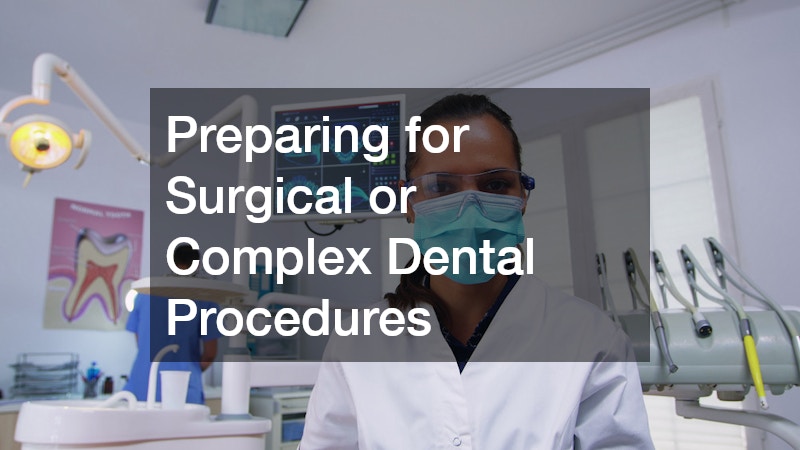
Some situations require advanced intervention, and understanding when an oral surgeon becomes involved helps families plan with confidence. Surgical procedures often address structural issues that cannot be resolved through routine care alone, making early discussion and clarity especially important.
Preparation is key to minimizing disruption. Families should discuss:
- The scope and purpose of the procedure: knowing what the procedure involves and why it is recommended helps set expectations and reduce uncertainty.
- Expected recovery timelines and limitations: understanding activity restrictions and healing milestones allows for realistic scheduling.
- Coordination with work, school, and caregiving responsibilities: planning helps avoid conflicts and ensures adequate support during recovery.
Clear pre- and post-procedure instructions reduce stress and support smoother healing. Planning meals, transportation, and follow-up care in advance allows the household to adjust without last-minute scrambling.
Helpful preparation steps include:
- Setting aside recovery supplies ahead of time
- Arranging temporary schedule adjustments
- Understanding warning signs that require follow-up attention
Addressing Missing Teeth With Long-Term Solutions
Missing teeth affect function, appearance, and overall health. Choosing the right tooth replacement approach depends on factors such as age, bone health, and lifestyle.
Dental implants are often recommended for their durability and stability, but they are not the only option. Families should weigh:
- Longevity versus upfront investment
- Maintenance requirements over time
- How the solution fits into broader health considerations
Long-term planning is especially important, as restorative choices can influence surrounding teeth and bone structure for decades.
Actionable considerations include:
- Discussing future changes that may affect the chosen solution
- Understanding how replacements interact with hygiene routines
- Planning financially for phased treatment if needed
Aligning Aesthetic Goals With Overall Oral Health

Cosmetic improvements can enhance confidence, but they should always support, not compromise, oral function. A cosmetic dentist helps families balance appearance-focused goals with durability and health.
Setting realistic expectations is essential. Not every concern requires immediate correction, and some treatments are best timed around preventive or restorative care.
Families benefit from:
- Prioritizing treatments that offer both aesthetic and functional benefits
- Discussing maintenance requirements before committing
- Scheduling elective procedures strategically to avoid overlap with other care
When cosmetic goals are integrated into a comprehensive plan, results tend to be more satisfying and sustainable.
Personalized dental plans are not static documents but evolving strategies that adapt as families grow and change. By understanding individual needs, coordinating care thoughtfully, and planning, households can reduce uncertainty and make confident decisions at every stage.
A proactive, organized approach empowers families to move beyond short-term fixes and focus instead on long-term stability, comfort, and peace of mind. With the right planning, dental care becomes a manageable, supportive part of family life rather than a source of stress.
