Key Takeaways:
- Tooth decay develops in stages, and only the very earliest stage — before the enamel breaks — can be reversed through a natural process called remineralization
- Once a hole physically forms in the tooth, no amount of brushing, diet changes, or supplements can rebuild that lost structure
- Fluoride, calcium, phosphate, and saliva work together to repair weakened enamel spots that often appear as chalky white marks
- Diet plays a huge role, with frequent sugar and acid exposure tipping the balance toward decay instead of repair
- Early white-spot lesions are often invisible to the patient and require a dental exam to catch in time
- Professional treatments like fluoride varnish, silver diamine fluoride, and resin infiltration can stop or slow decay before drilling becomes necessary
- Daily habits — including fluoride toothpaste, limiting snacking, and routine checkups — are the most reliable way to prevent damage in the first place
Imagine finding out your body might actually be able to patch up a weak spot in a tooth all by itself. It sounds a little too good to be true, right? For years, people have asked their dentist some version of the same question, hoping to skip the drill and the bill.
The truth sits somewhere between hopeful and realistic. Your mouth is a surprisingly active environment, with minerals constantly moving in and out of your enamel every single day. Under the right conditions, your teeth really can repair small amounts of damage on their own — but there is a hard limit to what that repair can do.
This guide is for anyone who has never thought much about dental science before. We will start from the very beginning, break down what decay actually is, and walk through what dentists today say about natural healing, when it works, and when it stops working.
What a Tooth Is Actually Made Of
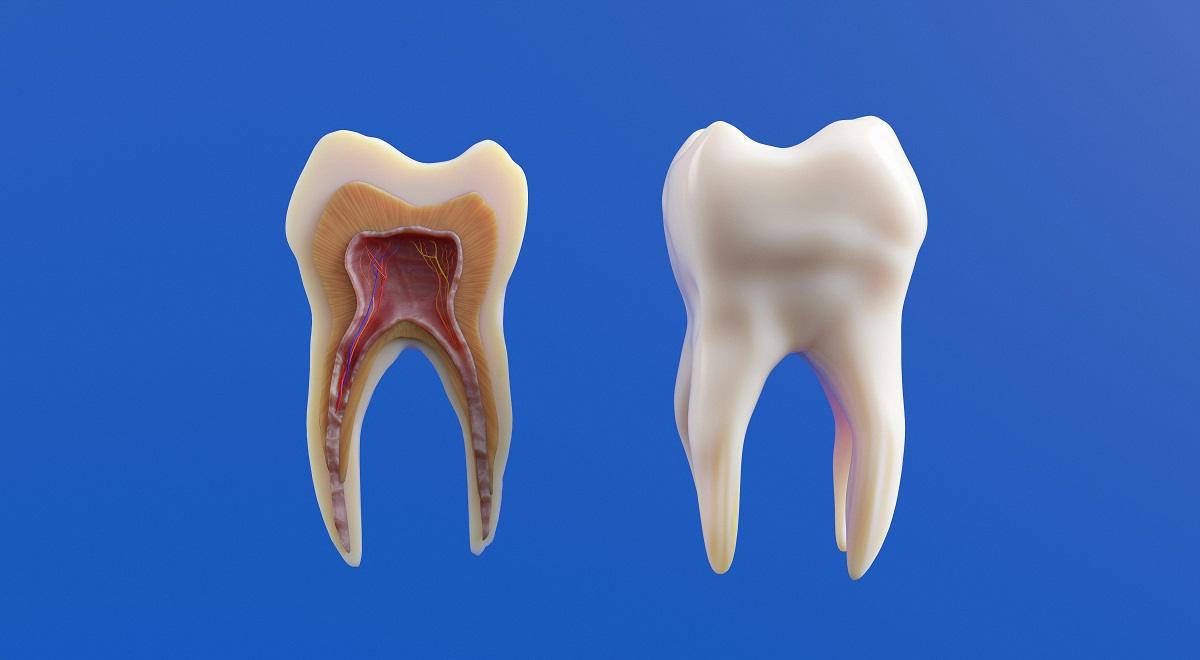
Before talking about damage, it helps to know what you are working with. A tooth is not a single solid chunk. It has layers, and each layer behaves differently when attacked by bacteria or acid.
The outer shell is enamel, and it is the hardest substance in the human body. Underneath that sits dentin, which is softer and more porous. In the center lives the pulp, where the nerves and blood vessels are. Enamel does not contain living cells, which is a key point — it cannot grow back the way skin or bone can. But it can still gain and lose minerals.
The Mineral Exchange Happening Right Now
Every time you eat, drink, or even just breathe through your mouth, the chemistry on your teeth shifts. Saliva delivers calcium and phosphate, which get deposited into the enamel in a process called remineralization. Acids from food and bacteria do the opposite, pulling minerals out in a process called demineralization.
Your mouth is basically running a tug-of-war all day long. Whether your teeth stay healthy depends on which side is winning more often.
How Decay Actually Begins
Tooth decay does not appear overnight. It is a slow, gradual process that starts when bacteria in dental plaque feed on sugars and refined carbohydrates left on the teeth, then release acids as a byproduct of digestion. Those acids chip away at enamel minerals bit by bit, lowering the pH at the tooth surface and pulling calcium and phosphate out of the crystalline structure that keeps enamel hard. Each time you eat or drink something sugary or starchy, this acid attack can last for 20 to 40 minutes before saliva neutralizes the environment again.
The first visible sign is often a chalky white spot on the tooth surface, usually near the gumline or in the pits and grooves of the back teeth. This is not yet a hole — it is a weakened, demineralized area where minerals have leached out but the surface structure is still technically intact. Dentists often call this an “incipient” or “early” lesion, and it is the only stage at which a cavity has any real chance of reversing on its own. According to the World Health Organization, oral diseases affect close to 3.7 billion people globally in its 2026 update, with untreated tooth decay in permanent teeth being the single most widespread health condition on the planet. That staggering number is a reminder that cavities are not just a childhood issue — they are a lifelong risk that touches nearly every age group and region.
Here is the typical progression of decay:
- White spot stage, where enamel loses minerals but stays intact and may still be reversible with fluoride and better hygiene
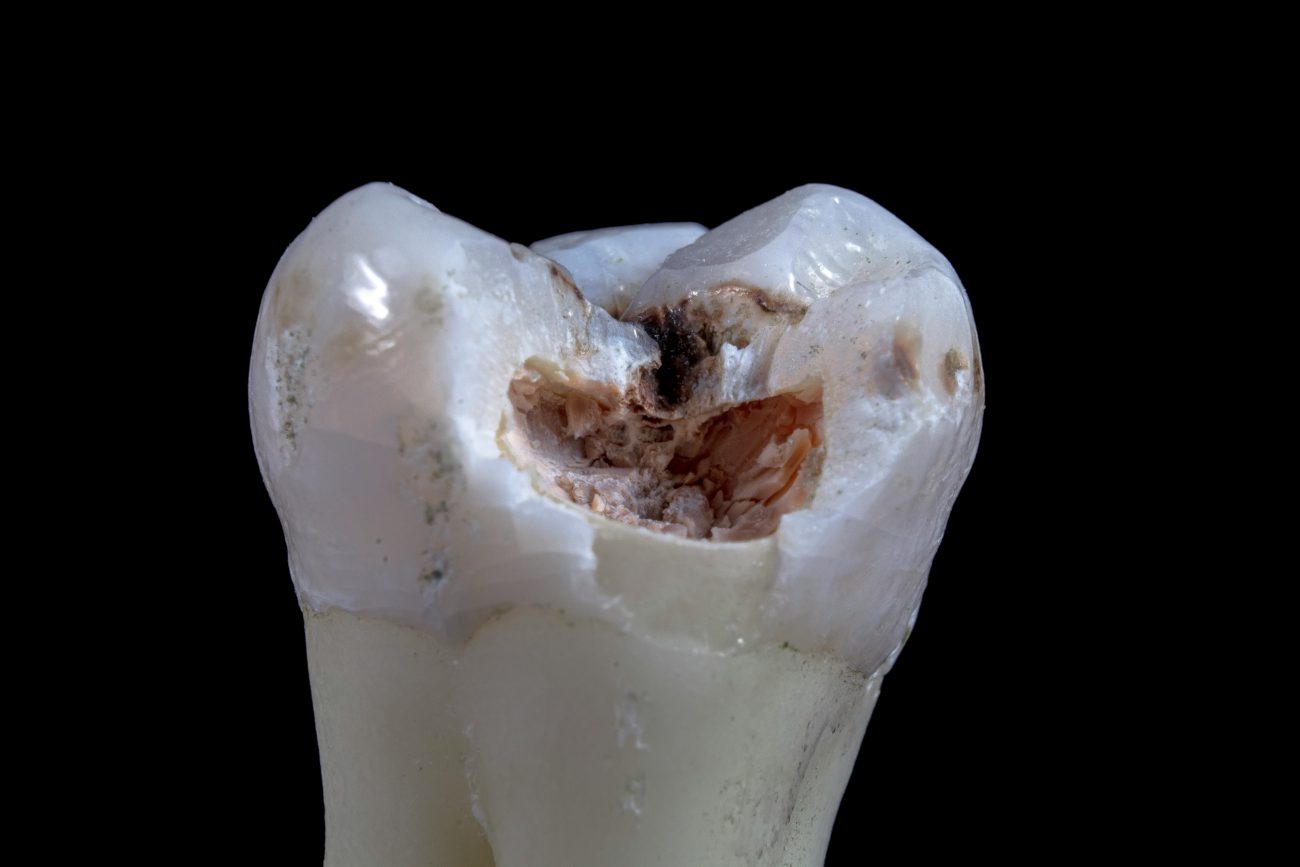
- Enamel breakdown, where a small cavity forms on the surface and the structure physically collapses into a hole
- Dentin involvement, where decay spreads into the softer inner layer and progresses much faster because dentin is less mineralized than enamel
- Pulp infection, where bacteria reach the nerve and blood supply at the center of the tooth, causing throbbing pain and sensitivity to hot or cold
- Abscess, where infection moves beyond the tooth root into the surrounding bone and tissue, often requiring root canal treatment or extraction
Understanding where a tooth sits on this spectrum is the key to answering whether cavities can heal on their own, because the answer changes dramatically from one stage to the next.
Can Cavities Heal on Their Own in Early Stages?
Here is the honest answer most dentists give. Yes, but only at the very first stage, and only under specific conditions. Once there is an actual physical hole in the tooth, healing is no longer possible — the structure is simply gone, and nothing short of a filling or other restoration will fix it.
So when people ask whether cavities heal on their own, what they are really asking about is that white-spot stage. At that point, if you reduce acid attacks, boost mineral exposure, and give saliva a chance to do its work, the enamel can rebuild itself. The spot may remain visible as a scar, but it hardens up and stops progressing. The American Dental Association notes that fluoride remains one of the most effective tools for strengthening enamel against decay in its 2026 clinical guidance, highlighting its role in both prevention and early reversal.
Why Timing Matters So Much
The window for natural repair is short and often invisible to you. Most people cannot see or feel a white spot lesion, especially if it forms between teeth or near the gumline. By the time there is sensitivity, visible darkening, or a rough edge you can feel with your tongue, the damage has usually passed the point of self-repair.
This is why regular dental checkups matter even when nothing hurts. A dentist can spot early lesions and recommend treatments to tip the balance back toward healing.
What Supports Natural Enamel Repair
If you catch decay early, several everyday habits actively help your teeth rebuild themselves. None of these are secrets, but they work together as a system rather than as individual quick fixes. The question of whether cavities can heal on their own really depends on how consistently you give your enamel what it needs to remineralize, and most of that comes down to small daily choices rather than dramatic interventions.
Supporting your enamel means giving it the raw materials and the right environment:
- Fluoride toothpaste used twice a day, which bonds to enamel and makes it more acid-resistant — look for a product with at least 1,000 ppm fluoride, and spit rather than rinse so the fluoride can keep working after brushing
- Reduced snacking frequency, which gives saliva time to neutralize acids between meals; even a healthy snack triggers an acid attack that lasts around 20 to 30 minutes, so grazing all day keeps your mouth in a constant demineralizing state
- Adequate water intake, which keeps saliva flowing and washes away food debris, especially if you choose tap water in areas where it’s fluoridated
- Calcium and phosphate rich foods like dairy, leafy greens, nuts, and cheese — a small piece of cheese after a meal is one of the oldest and most effective ways to raise mouth pH and deliver minerals right where they’re needed
- Sugar-free gum containing xylitol, which stimulates saliva and disrupts bacteria; chewing for about 10 minutes after meals can meaningfully reduce the acid load on your enamel
It also helps to think about timing, not just ingredients. Brushing right after an acidic drink like orange juice or soda can actually scrub softened enamel away, so waiting 30 minutes before brushing gives the surface time to reharden. Drinking acidic beverages through a straw, finishing them in one sitting rather than sipping over an hour, and following them with plain water are small adjustments that add up over months.
Routine habits across the whole household matter more than people realize, and managing family oral health often means tackling things like shared snacking patterns, bedtime brushing routines, and water versus juice choices for kids. When one person in the house keeps sugary drinks in the fridge or snacks late at night, everyone tends to drift into those patterns, which is why cavities often cluster in families even when genetics isn’t really the driver.
The Role of Saliva You Probably Underestimate
Saliva does far more than keep your mouth from feeling dry. It neutralizes acids, delivers a steady supply of calcium and phosphate ions to the enamel surface, contains antibacterial compounds like lysozyme and lactoferrin, and even carries proteins that form a protective film called the pellicle over your teeth. In a healthy mouth, you produce somewhere between half a liter and a liter and a half of saliva per day, and that constant flow is one of the main reasons mild early decay can quietly reverse itself.
People who have reduced saliva flow — due to certain medications like antihistamines, antidepressants, and blood pressure drugs, as well as mouth breathing, radiation treatment, autoimmune conditions like Sjögren’s syndrome, or simply aging — are at much higher risk of decay because the natural repair system is weakened. You can often see this clinically: cavities appear in unusual spots, multiply quickly, and show up on teeth that were previously trouble-free.
If your mouth often feels dry, bring it up with your dentist. There are specific products and strategies that can help compensate, including prescription-strength fluoride toothpaste, remineralizing rinses with calcium phosphate, saliva substitutes, xylitol lozenges, and in some cases a conversation with your doctor about whether a medication can be swapped for one with fewer oral side effects.
When Professional Treatment Takes Over
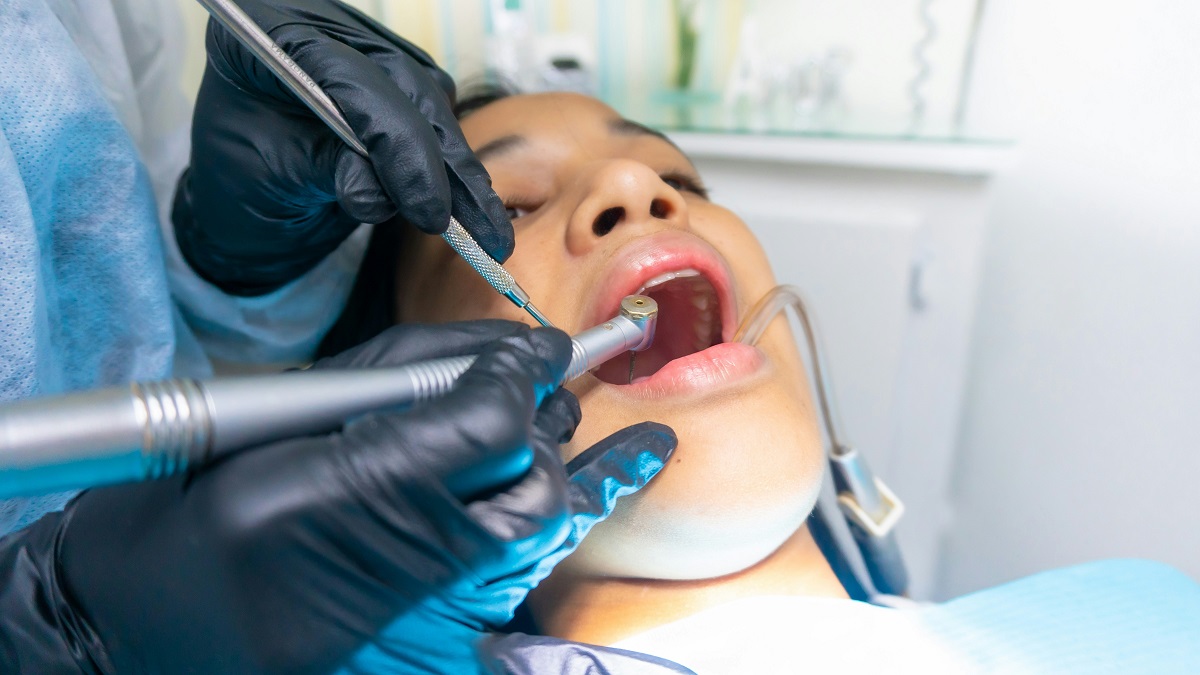
Once decay crosses into the enamel surface and creates a true hole, dentistry has to step in. But modern dental care has moved well beyond just drilling and filling. There are now minimally invasive options that can stop decay in its tracks, sometimes without any numbing or drilling at all.
According to the Centers for Disease Control and Prevention, more than one in four adults in the United States still has untreated tooth decay in its 2026 oral health surveillance report, a figure that highlights how often people wait too long to seek care. Early intervention almost always means smaller, cheaper, less invasive treatment.
Common professional options for early-to-moderate decay include:
- Fluoride varnish painted directly onto weakened areas
- Silver diamine fluoride, which arrests decay in a single application
- Resin infiltration, where a liquid resin fills microscopic pores in the enamel
- Dental sealants placed on chewing surfaces to block bacteria
- Traditional fillings for holes that have already formed
The right choice depends on the size and location of the damage, your age, and how quickly the decay seems to be progressing.
Habits That Prevent Problems in the First Place
Prevention beats repair every single time. The habits that help enamel rebuild itself are the same ones that stop decay from starting at all. If you treat prevention as your default setting, you rarely need to worry about whether damage is reversible.
Think of your mouth care routine as a layered defense. Brushing twice a day with fluoride toothpaste removes plaque and delivers minerals. Flossing or using interdental brushes reaches the spots your toothbrush misses. Limiting sugary drinks and sticky snacks reduces the fuel bacteria need. Drinking plenty of water keeps saliva flowing. Visiting a dentist every six to twelve months catches problems before they become expensive.
None of this is dramatic. It is the quiet consistency that pays off over decades.
Closing Thoughts
Your teeth are more resilient than most people give them credit for, but they are not magic. The repair system built into your mouth works best on tiny, early damage — the kind you probably cannot see without a trained eye and good lighting. Once a hole forms, that natural process cannot bridge the gap, and professional care becomes necessary.
The real takeaway is that catching problems early changes everything. White-spot lesions, dry mouth, frequent sugar exposure, and skipped checkups all tip the scales toward damage. Fluoride use, balanced eating, steady hydration, and regular dental visits tip them back toward repair.
Think of your mouth as a living environment that responds to the choices you make every day. Small, boring habits — brushing before bed, drinking water instead of soda, showing up to that appointment you keep rescheduling — are what give your teeth the best chance of taking care of themselves. The science is on your side, but only if you let it work.
