Oral hygiene is not only crucial for maintaining a bright smile but also plays a significant role in overall health. Proper oral care helps prevent dental diseases such as cavities, gingivitis, and periodontitis. It is essential to understand that good oral hygiene practices go beyond merely brushing teeth regularly.
In this article, we will delve into the most effective strategies for maintaining oral health, address common concerns, and provide actionable tips for achieving and preserving healthy teeth and gums. By adopting these best practices, individuals can significantly improve their oral hygiene and overall well-being.
How Often Should You Brush and Floss?
Brushing and flossing are the cornerstones of daily oral hygiene, and their frequency is a common concern among many individuals. Dentists universally recommend brushing teeth at least twice a day – once in the morning and once before bed – to effectively remove plaque and prevent decay. Flossing should ideally be performed once a day to clean between teeth, where a toothbrush cannot reach. While brushing helps in cleaning the surfaces of your teeth, flossing is crucial for removing debris trapped between them. By maintaining this routine, individuals can significantly reduce the risk of dental issues and enhance their oral health.
Consistency is key when it comes to brushing and flossing, as irregular practices can lead to plaque buildup. Plaque is a sticky film of bacteria that forms on teeth and can cause tooth decay and gum disease if not removed regularly. In addition to brushing and flossing, using mouthwash can provide extra protection by reaching areas your brush might miss. It is important to choose a toothpaste and floss that suits your individual needs, be it for sensitivity, whitening, or cavity protection. With a consistent routine, individuals can maintain better oral health and reduce the likelihood of developing cavities and gum disease.
It’s worth noting that over-brushing or brushing too hard can be harmful, potentially damaging the enamel and causing gum recession. This is why using a soft-bristled toothbrush and gentle technique is often recommended by dental professionals. Electric toothbrushes are also increasingly popular for their efficiency in cleaning teeth and minimizing the risk of excessive pressure. Combined with regular dental check-ups, maintaining a regular brushing and flossing routine serves as a foundation for oral health. Educating oneself about the correct techniques and frequency of brushing and flossing can lead to long-lasting dental health benefits.
What Are the Most Effective Techniques for Brushing?
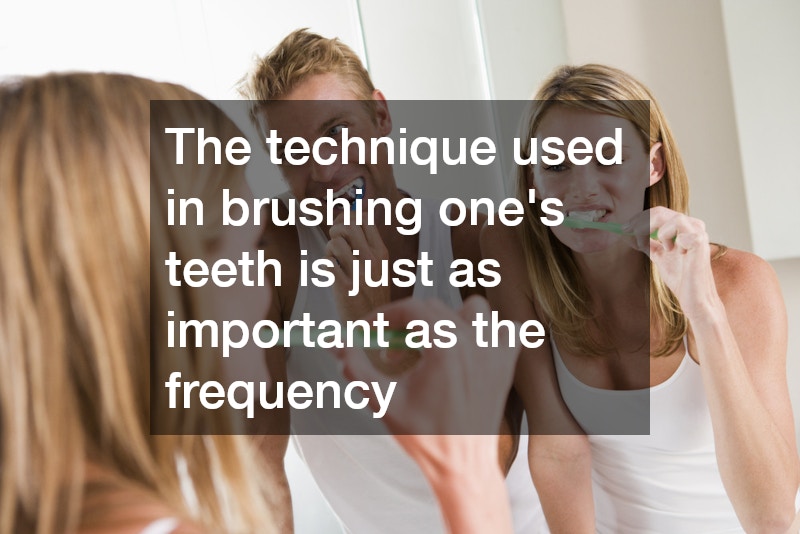
The technique used in brushing one’s teeth is just as important as the frequency. Dentists advocate for a methodical approach that ensures each section of the mouth is adequately cleaned. Holding the toothbrush at a 45-degree angle to the gums facilitates the effective cleaning of the gum line. It’s recommended to use gentle circular motions rather than aggressive back-and-forth strokes to avoid damage to the teeth and gums. Ensuring that each tooth is brushed for an adequate period helps in removing plaque that can lead to dental issues.
Additionally, it’s crucial to dedicate equal attention to every part of the mouth, including often-overlooked molars and inner surfaces. Spending at least two minutes twice a day through an organized sequence – cleaning outer surfaces of upper and lower teeth, inner surfaces, chewing surfaces, and finally the tongue – ensures all areas are covered. Brushing the tongue is essential as it harbors bacteria that can cause bad breath. Using a timer or an electric toothbrush with a built-in timer can help ensure proper brushing duration. This thorough technique supports better oral health and a fresher mouth.
It’s also important to regularly replace toothbrushes or toothbrush heads, approximately every three to four months, or sooner if the bristles become frayed. Worn bristles are less effective in cleaning teeth and can potentially harbor bacteria. Choosing a toothbrush with soft bristles can prevent irritation and damage to the gums, and using a fluoride toothpaste can further protect the teeth from decay. By developing and adhering to effective brushing techniques, one can maintain a higher standard of oral hygiene and contribute to their overall health.
How Can Diet Affect Your Oral Health?
Diet plays a pivotal role in oral health, significantly influencing the condition of one’s teeth and gums. Consuming foods and beverages high in sugar and carbohydrates can lead to the production of acids by bacteria in the mouth, which erodes tooth enamel and leads to cavities. Reducing sugary snacks and drinks can help mitigate these risks. Instead, incorporating nutrient-rich foods such as vegetables, fruits, and dairy products can help promote stronger teeth and prevent decay. Calcium-rich foods support the maintenance of strong teeth, while crunchy fruits and vegetables can aid in natural cleaning between brushes.
Staying hydrated by drinking plenty of water throughout the day can also help in maintaining oral health. Water washes away leftover food particles and balances saliva production, which neutralizes acids produced by bacteria. Saliva plays an essential role in defending against tooth decay by providing beneficial minerals needed to repair dental structures. Moreover, chewing sugarless gum can stimulate saliva flow, especially after meals where brushing is not immediately feasible. By being mindful of dietary choices, individuals can significantly improve their oral health and reduce the likelihood of dental problems.
Maintaining excellent oral hygiene requires a consistent and informed approach. By adhering to recommended brushing and flossing frequencies, employing effective techniques, and being mindful of diet, individuals can significantly improve their oral health. Regular dental visits provide opportunities for professional cleaning and assessment, catching potential issues early. Embracing these best practices offers not only a healthier mouth but also contributes to overall systemic health. By making small yet impactful changes in daily routines, individuals can enjoy the long-term benefits of healthy teeth and gums.